

Beauty advent calendars: how to tell which ones are worth it
9 October 2026Deals & Offers
By October, the better beauty advent calendars are already trying to rush you into a decision with a big claimed value and a long contents list. If you're deciding whether one is actually worth the money, ignore the headline total and check three things instead: how much of it fits your routine, whether the sizes are meaningful, and what the same spend would buy as a hand-picked alternative.
Check how many doors fit a real routine
A calendar can look generous on paper and still be poor value if it’s packed with products you wouldn’t normally use. Start with your routine, not the brand’s category list.
Write down the types of product you regularly finish: cleanser, moisturiser, serum, hair treatment, body care, mascara and so on. Then read the calendar contents and sort each item into one of three groups:
- I’d definitely use this
- I’d try this once
- This would probably sit in a drawer
That simple sort is more useful than the claimed value. If the third pile gets big quickly, the calendar isn’t doing much for you.
Then check for repetition. A long list can hide the fact that you’re getting several versions of the same thing: multiple exfoliators, near-identical lip shades, or a run of similar serums. Variety matters because an advent calendar is supposed to help you discover products across a routine, not leave you with overflow in one narrow category.
A useful shortcut is to ask whether the calendar covers enough of a routine to be enjoyable. If most doors cluster around one step, such as colour cosmetics or active skincare, it’s less flexible as a gift and harder to justify as a self-buy unless that’s exactly what you wanted.
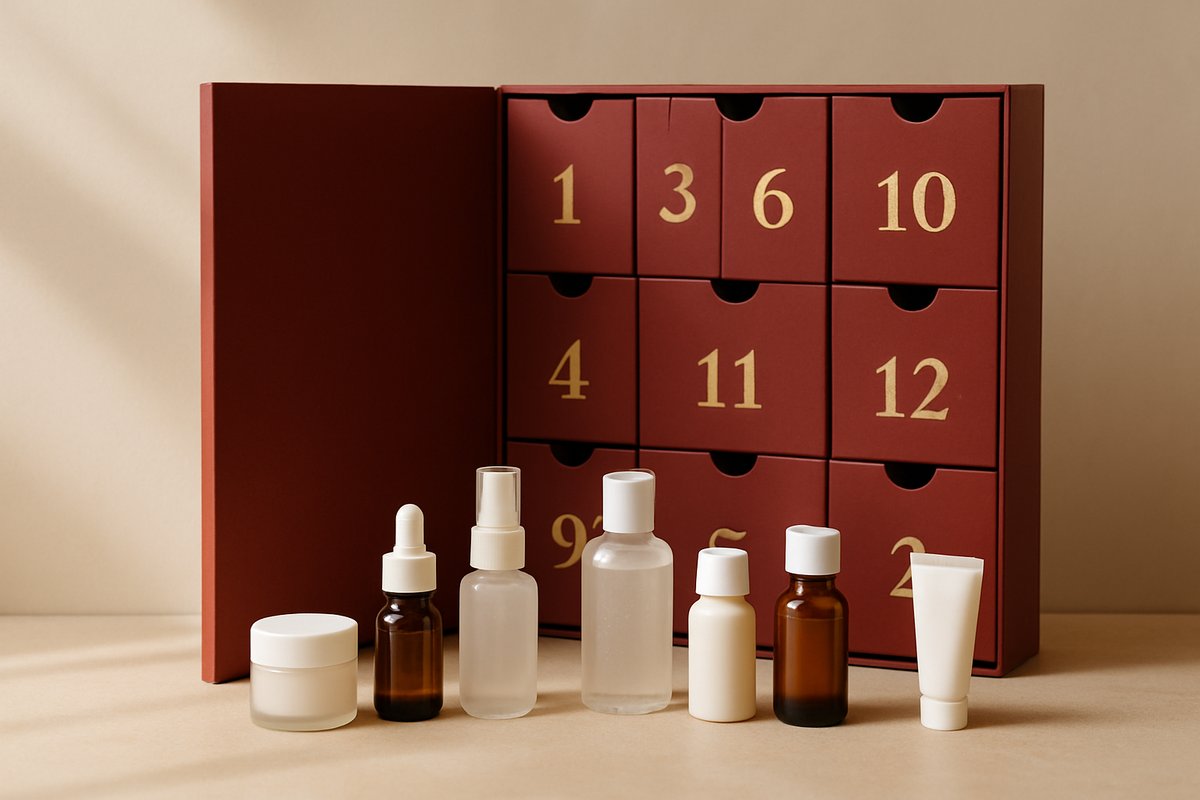
Separate useful minis from filler
Small products aren’t the problem. Filler is.
A mini can be worth having if it gives you a proper chance to decide whether the formula, shade or scent suits you. Travel haircare, premium fragrance and stronger skincare often make sense in smaller sizes. One-use sachets, tiny vials you’d never choose, or tools you didn’t need are harder to defend.
The key question is whether each small item can do a real job. A cleanser or moisturiser mini may be enough to test texture and wear. A single-use treatment tells you much less. The same goes for makeup: one very specific shade might count as a door, but it won’t add much value if it only suits a narrow set of preferences.
This is why some calendars are riskier than others as gifts. Fragrance and makeup-heavy edits can be more hit-and-miss because taste, finish and shade are so personal. Skincare, body care and haircare tend to be easier to share, provided the contents aren’t repetitive.
If you’re torn between two calendars, count the number of doors that feel genuinely usable rather than just “nice to open”. The one with fewer flashy names can still be the better buy if more of it would actually earn a place in your routine.
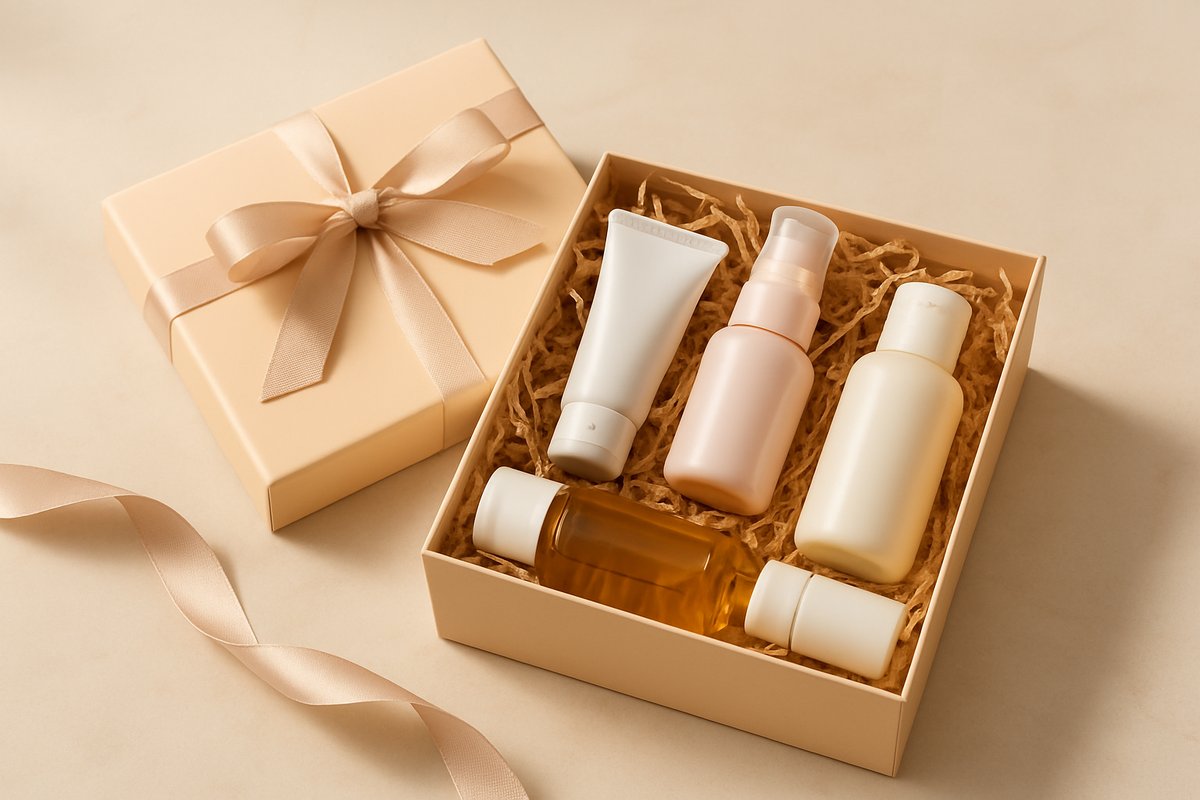
Test the calendar against a hand-picked basket
This is the quickest way to see whether you’re paying for discovery or just festive packaging. Build a pretend basket of products you’d actively choose for the same budget: perhaps a cleanser you need, a serum you’ve wanted to try, one hair product and a gift set. Then compare that basket with the calendar.
Cult Beauty is a strong benchmark for this because it carries discovery sets, travel sizes, gifts and everyday beauty categories in one place. If a calendar is mainly appealing because it mixes different brands, compare it with a basket built from those smaller formats first. At the time of writing, Cult Beauty has 15% off when you spend £25 with code CBAFF15; check the store page and basket terms before you rely on it.
For skincare-led calendars, Evolve Organic Beauty gives you a different comparison: bundles, gifting and routine-based products rather than a random mix of doors. That’s useful if you’d get more value from a cleanser, moisturiser and one targeted treatment that all have a clear role. At the time of writing, Evolve Organic Beauty has 20% off your order with code ARTISAN20; confirm the offer on the store page before checkout.
NICHE BEAUTY is helpful for another reason. Its UK storefront groups travel sizes, refills and gift sets clearly, so you can compare a calendar with a more controlled edit of smaller products. If the advent option is leaning heavily on tiny formats, a basket of travel sizes you chose yourself may be the sharper buy.
This comparison also stops you being distracted by door count. Twenty or more products only matter if they’re products you’d have picked in the first place.
Buy a calendar for discovery, not for stock-up value
Beauty advent calendars make the most sense when the surprise is part of what you’re paying for. If you want to try new categories, brands or formats, a balanced calendar can be worth it. If your real aim is to top up favourites, you’ll usually do better with a gift set, travel edit or beauty box.
That’s especially true for fragrance-led calendars. If scent is the main draw, compare the calendar with Beauty Base, which sells fragrance, gift sets and Korean beauty alongside skincare and haircare. A standard set can be a better buy than a calendar if you already know the sort of perfume, body mist or skincare style you like. At the time of writing, Beauty Base has 10% off your order; check the store page to see whether it applies to what you’ve chosen.
A practical rule is this: only buy the calendar if you’d still be happy with the contents after removing the packaging and the countdown element. If not, skip it and put the money into products you chose on purpose. For more curated trial formats without the festive markup, browse Beauty Boxes or the wider Beauty category.